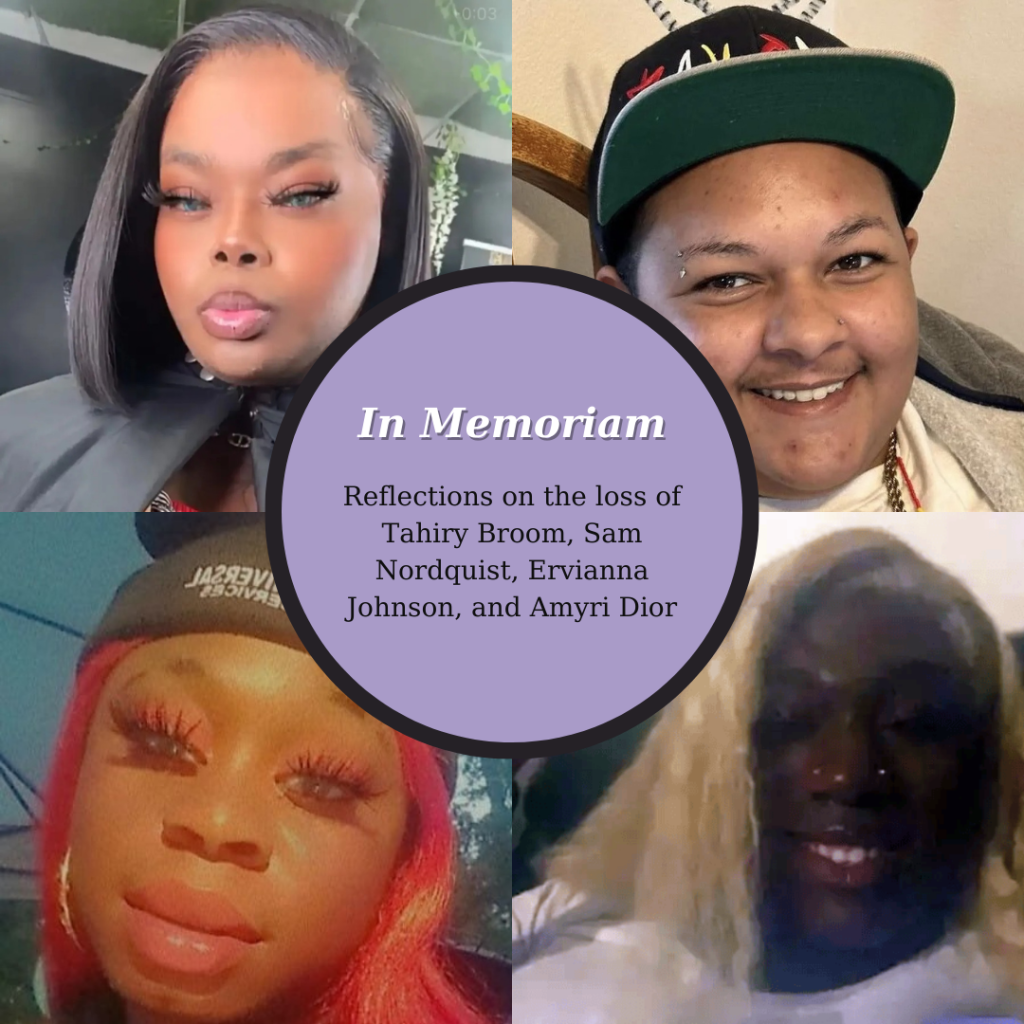


On March 2, 2025, Trans Lawrence Coalition held a vigil to remember the lives of Tahiry Broom, Sam Nordquist, Ervianna Johnson, and Amyri Dior. In this post, we will share memories from their loved ones, GoFundMe campaigns to pay for funeral costs, organizations to support, and some words from Raquel Willis on how to best support Black trans people.
Memorials
The memories and descriptions of them come from obituaries, articles, and posts currently available online. As more information is shared about them, we encourage you not to remember them solely as victims of violence, but as people who loved deeply and were loved in return.
Tahiry Broom
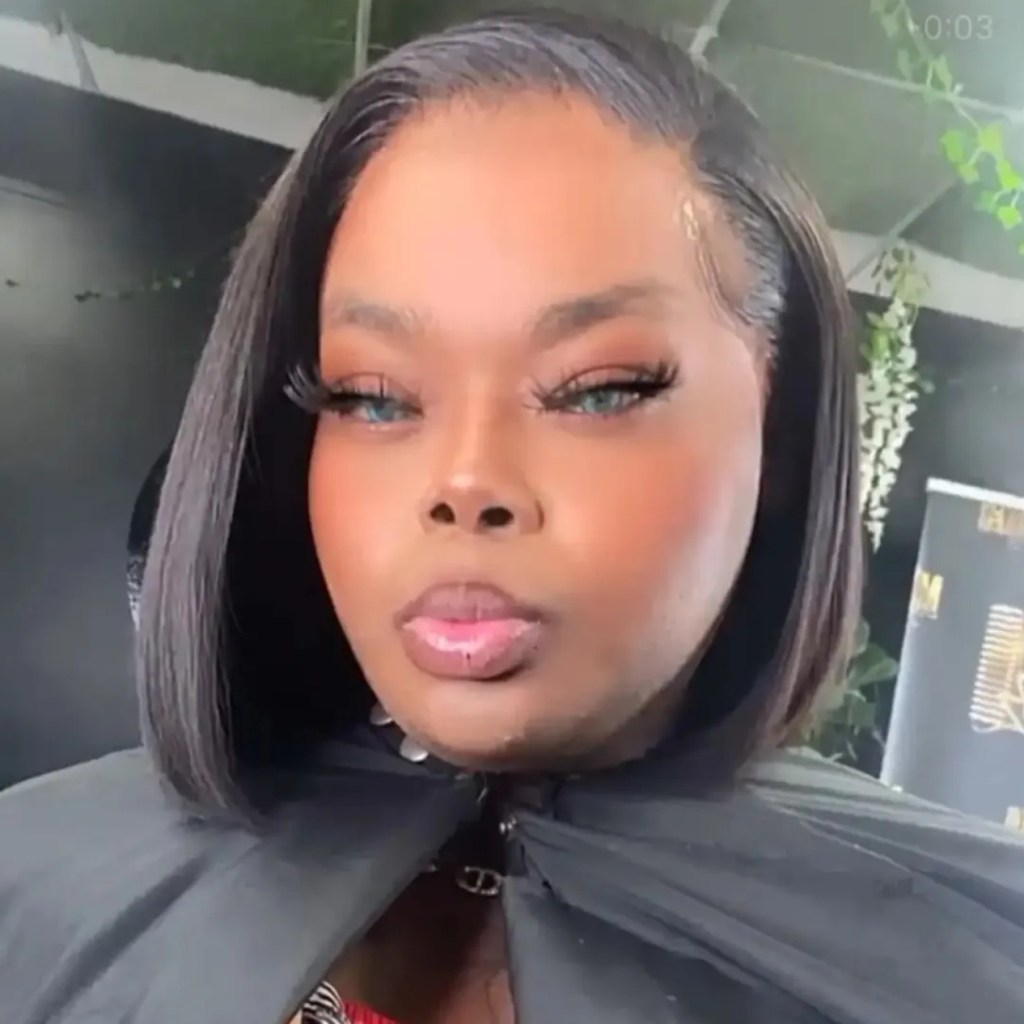
Tahiry Broom was born in Cleveland, Ohio on March 1, 1995 and died in Detroit, Michigan on February 9, 2025. She was 29 years old.
She cherished her family, including parents Allison Broom and James Mitchell, her grandparents, five siblings, seven aunts and uncles, and her godmother, Terry Brandford. She was also a beloved aunt to many nieces and nephews around Detroit.
Her loved ones describe her as “a beacon of love and generosity,” “a maelstrom of energy,” and “a comet streaking across the sky, inspiring awe and wonder in all who were privileged to witness her flight.” Tahiry was adventurous, charismatic,and full of life. She was also known for her fierce sense of style. As her loved ones put it, she “would slay” any outfit she wore and “was beautiful inside and out.”
Despite the tragedy of her passing, her family reminds us that “[h]er story does not conclude with the sorrow of loss but continues in every life she has touched, every smile she inspired, and every heart she has warmed.” They “take solace knowing that Tahiry is now reunited with those who went before her, undoubtedly filling the heavens with her infectious laughter.”
Sam Nordquist
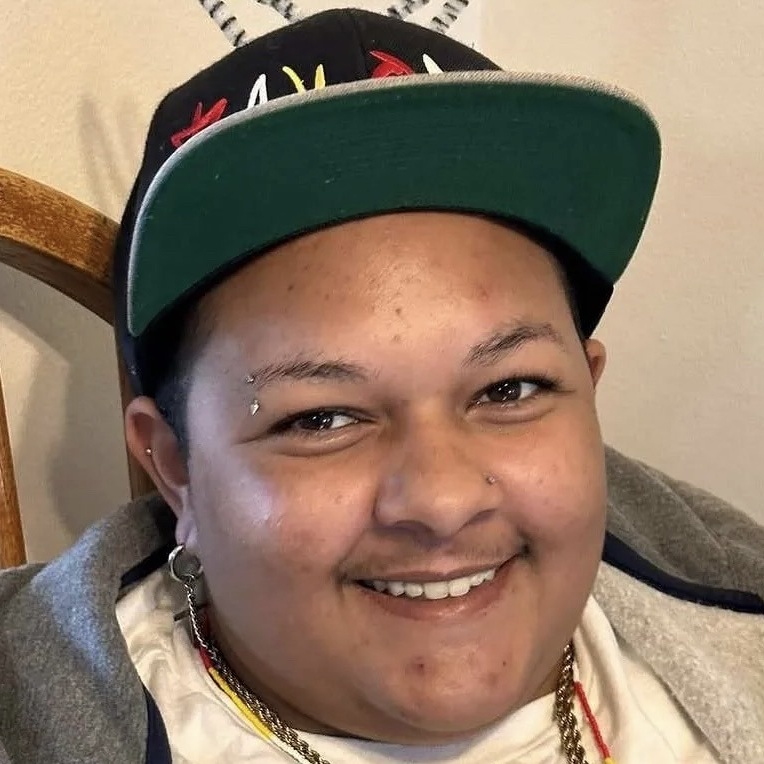
Sam Nordquist was born on June 18, 2000 and lived in Minnesota. He died in New York on February 13, 2025. He was 24 years old.
Sam was outgoing, hard-working, and deeply devoted to his family. His mother, Linda Nordquist, said that Sam “had a heart of gold” and was the kind of person who “would give you the shirt off of his back.” His friend and coworker, Matt Parlow, described him as “an amazing friend” who was “full of life.”
During his time at Face to Face Academy, his high school, he was fondly known as “a jester” who was always offering to help others. For example, Sam was quick to apply for a role on a council to help raise awareness of the obstacles facing homeless youth. He later worked in a group home to support individuals with disabilities.
Jade Nelson, a former classmate, shared this memory of Sam: “I was going through a lot and you noticed before anyone that I wasn’t okay…. You didn’t even know me, yet you didn’t hesitate to pull me aside and say you were there for me. I told you that you gave the best hugs.”
Sam’s mother hopes that “Sam feels the love… and the support” and vows that “[h]is voice will be heard one way or the other.” As she put it, “We have Sam’s back throughout all this… and we will fight to the fullest.”
Ervianna Johnson
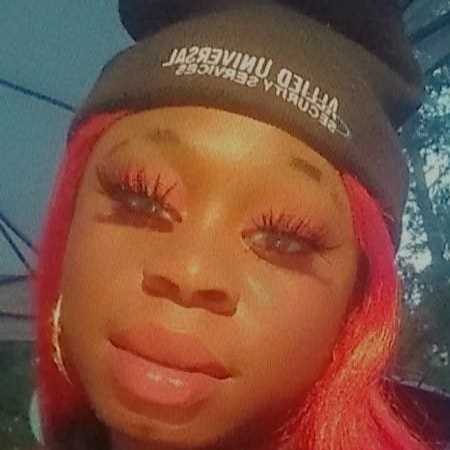
Ervianna Johnson was born on September 14, 1999 and died in Tabor City, North Carolina on February 19, 2025. She was 25 years old.
We are still learning more about Ervianna and her life. What we do know, however, is that her loved ones described her as “the life of the party”. Quashema Reaves, one of her relatives, shared that “[i]t was just a joyful moment every time [Ervianna] was around.”
Her mother, Jolene Johnson, called Ervianna “her baby” and vowed that the family is “going to get justice.”
Amyri Dior
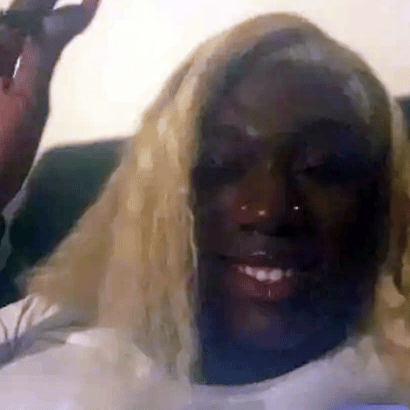
Amyri Dior was born on February 15, 2002 and died in Milwaukee, Wisconsin on February 21, 2025. She was 23 years old.
Like Ervianna, there is still a lot we have yet to learn about Amyri. Her cousin Jakiala Jenkins said that “[n]o matter who she came in contact with, she was always a good soul. … She was always truthful with her life. She was just too loving.” Other loved ones describe her as a “vibrant and loving soul.”
Amyri loved to dance and sing. She was authentically herself. As more information and memories are shared of Amyri, we will undoubtedly become more acquainted with her compassion, kindness, and warmth.
Her funeral is scheduled for March 17. She will be deeply missed by her loved ones.
GoFundMe Links
Listed below are the GoFundMe campaigns for funeral costs. Please note that at this time, we are not aware of a GoFundMe campaign for Ervianna’s family.
Political Reflections
This is taken from a speech given at TLC’s vigil.
Content warning for transmisogyny/transmisogynoir, anti-Blackness, violence, and sexual assault.
A common theme between Tahiry, Sam, Ervianna, and Amyri is the joy they had for others and life. I’d like to believe that this joy is a value we all share as well. However, joy alone is not enough to end anti-trans and anti-Black violence. Just as Sam’s mother said, we must fight as much as we can if we want to truly honor the lives of the four we are remembering and what they stood for.
How should we conduct this fight? Let us turn now to the words of Raquel Willis, a Black trans writer and activist. In 2019, she authored the article How We Can End the Violence Against Trans Women of Color for Out magazine. There are a number of points that are crucial for us to keep in mind right now, especially as the political attacks on trans people in the United States intensify.
Firstly: Willis warns us against reducing the “epidemic of violence” against Black trans women to nothing more than a mere “refrain.” This, she argues, tokenizes Black trans women without actually prioritizing their needs. She writes, “[W]e need the rest of the LGBTQ+ community and our allies to make a deep commitment to keeping us alive–specifically by trusting our leadership and our solutions.”
Her first suggestion is to prioritize the safety and security of Black trans women. She emphasizes raising awareness of the seriousness of the issues facing trans women of color so that politicians and organizations strive towards solutions that benefit them. She also criticizes Pride organizations that do not prioritize supporting organizations that specifically serve Black trans women and their communities.
In the aftermath of the loss of four Black trans people in a month, we must acknowledge organizations that we can support this year. Here in Lawrence, we can support organizations in Kansas City that are led by trans and queer people of color. These include Transformations KC, Trans Women of Color Collective, Nafasi TransCare Collective, and BlaqOut.
Next, Willis stresses the importance of how we define violence. According to her: “We must accept a holistic scope of violence for TWOC that includes domestic, intimate partner, and state violence. So often, when a TWOC experiences violence in state custody (whether in prisons or detention centers), would-be allies resist holding these systems accountable and don’t consider these instances as carrying the same level of importance as interpersonal conflicts.”
What this means for us is that we must step back and examine the bigger picture. The fact that Sam was killed by his significant other, for instance, does not mean we should treat his death as an isolated tragedy separate from our broader political reality. Nor should we view the deaths of Tahiry, Ervianna, or Amyri, who were all murdered by people more unfamiliar to them, as fundamentally distinct from Sam’s death. The fact is that Black trans people, and Black Americans as a whole, are made more vulnerable to violence due to systemic factors like poverty, discrimination, and racism.
Similarly, we should not treat the violent deaths of Black trans people as more significant than violence that does not end in death. Non-fatal violence is always the precursor to murder and other preventable deaths. A grave example of this can be seen in an executive order that Donald Trump signed this January. The executive order forces trans women in federal prisons to be incarcerated in men’s prisons and ends their access to hormones and surgery. While this impacts all trans women, we know from research that Black trans women will be impacted the most. In fact, at least two different studies found that around half of Black trans women have reported past experiences of being in jail or prison – far more than any other racial demographic. Revoking trans women’s access to their health care and placing them with male inmates results in serious mental health consequences and incredibly high rates of sexual violence. This is all by design: V-coding is the term used to describe the practice of the state intentionally placing trans women in men’s jails and prisons and allowing them to be sexually assaulted. This, too, is transmisogynistic, anti-Black violence that should be discussed as much as fatal violence.
Willis goes on to critique the media’s failure to correctly name and gender trans victims of homicide. This is unfortunately something I encountered first hand while preparing this speech. Specifically, the little news coverage there is of Ervianna Johnson deadnames and misgenders her despite the fact that she openly identified as female. The erasure of Ervianna’s name and identity only contributes to the violence she experienced. After all, if we are unable to even name the victims correctly and identify how their gender contributed to their victimization, how can we ever hope to address this issue and end the violence? We must be diligent in not only correctly naming and gendering victims of anti-trans violence but holding the media accountable for failing to do the same.
Similarly, the criminal justice system must also be held accountable – not only for actually investigating and closing cases, but for how it treats trans people of color. As mentioned earlier, Black trans women face astonishingly high rates of incarceration and experience extreme violence while incarcerated. Additionally, Black trans people are more likely to experience harassment and assault from police officers. “The criminal justice system is often the sole option for recourse,” Willis writes. “[H]owever, more alternatives that include restorative, rehabilitative, and healing justice modalities need to be developed beyond the incarceral system in order for ‘justice’ to truly be served.”
Following this, Willis makes a number of points that are all deeply linked. Specifically, she calls for the economic empowerment of trans women of color, especially those who are low-income; the reallocation of resources to trans communities of color, which includes holding LGBTQ+ organizations accountable for the way they spend their funds; the centering of health care for all as a political priority, as a considerable number of Black trans women are disabled and/or living with HIV or AIDS; the decarceration of people from jails, prisons, and immigration detention centers; and the decriminalization of sex work.
How are these issues connected? There are many ways they can relate to one another. For example, the legacy of slavery, segregation, and anti-Blackness often results in Black communities lacking essential resources. This lack of resources means fewer opportunities to go to school or attain employment. Additionally, anti-trans discrimination makes it harder to be hired or keep a job. Because of this, it is hard to escape poverty. Many Black trans women in this position turn to sex work in order to survive. This, in turn, makes them more likely to acquire HIV and leaves them more susceptible to unpredictable violence. This was the case for Tahiry Broom, who was murdered by a man who had contacted her and dozens of other sex workers on the day she was killed.
Even worse, the criminalization of sex work and HIV/AIDS means that Black trans women are disproportionately targeted by the police. According to a series of studies published by the Williams Institute, sex workers represented 52% of HIV-related arrests. Additionally, the demographic most likely to be arrested and convicted of HIV-related charges are Black people who were assigned male at birth. While the data does not differentiate between cis men and trans women, the fact that Black trans women are more likely to be sex workers should indicate that a significant number of these arrests and convictions are targeted at Black trans women.
Involvement with the justice system brings with it more economic struggles. Even if someone is not convicted, they often have to pay pricey court fees. Incarceration can mean losing employment and struggling even more to find a new job. All of this can also lead to the development of physical or emotional disabilities, which adds an extra factor that often worsens financial stress.
Here, we see a vicious cycle emerge: economic instability leads to violence and criminalization, which in turn exacerbate economic instability. Without any meaningful interventions, Black trans people, and trans women in particular, will continue being exploited, assaulted, murdered, and neglected.
What must we do now? Willis’ focus on a more proactive and expansive political approach is crucial. Holding vigils is not enough. Even supporting fun trans events or donating to Black trans-led organizations is not enough. We must work together as a collective to fight for systemic change in its entirety. Black trans people cannot be liberated from preventable violence without addressing issues that ultimately impact all of us
So here is what we must do: we will fight for comprehensive and accessible health care for all people that also respects our humanity and bodily autonomy. We fiercely oppose the exploitation of workers and the exploitation of immigrants, whose labor is even further devalued over that of natural-born citizens and whose home countries continue to be destroyed by American imperialism. We must be intensely critical of the justice system and the way poor communities left to decay bear the brunt of violence, criminalization, and police brutality while those who are better off financially do not necessarily experience the same level of scrutiny or punishment.
This fight does not just concern Black trans people only, or even trans people as a whole, but rather impacts every single one of us regardless of our identity. Our lives are ultimately dictated by a ruling class who judges us based on what value we provide to them. Until every single one of us is free – including Black trans people – none of us will be. We must be diligent and wage war against the systems in place that maim and murder our trans siblings again and again and again.
With that said, I do not want our fight to only be rooted in an acknowledgement of violence against the most marginalized. Black trans people are far more than just victims. The roots of queer culture altogether in the United States can be traced back to gender nonconforming Black Americans. Our understanding of law and science as it applies to queer people is inseparable from the ways that law and science apply to Black people. From Marsha P Johnson to Monica Roberts, from Mary Jones to Miss Major, from Marcelle Cook-Daniels to Carter Brown, Black trans people have directly shaped queer culture, politics, and history time and time again. Let us come together now to follow their leadership and achieve the future they all believed was possible.
Rest in power Tahiry, Sam, Ervianna, and Amyri.
 Trans Lawrence Coalition
Leave a comment